
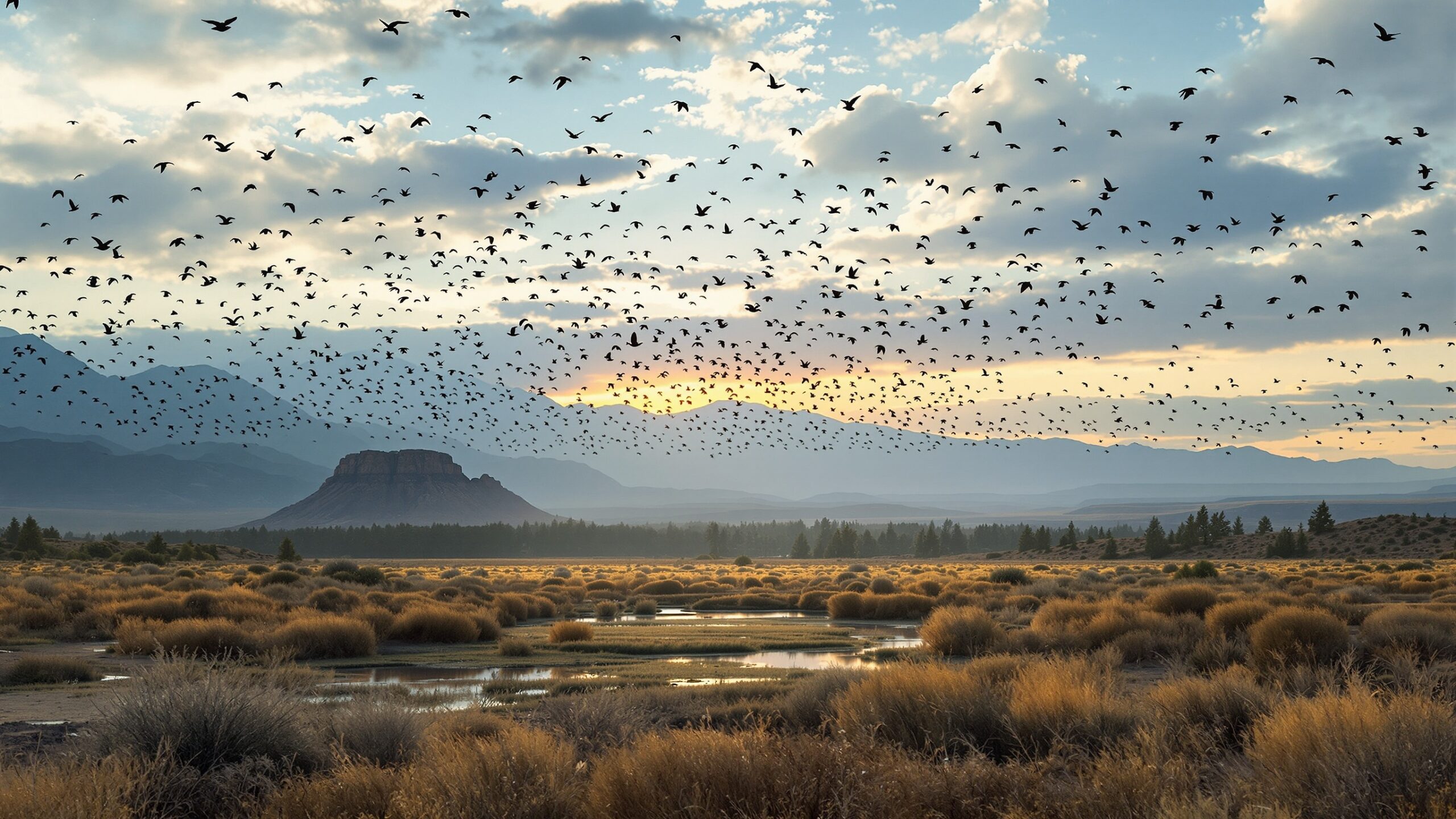
Step into the untamed beauty of Utah through the lens of wildlife photography, where every frame captures a fleeting moment of nature in its purest form. From the silent glide of golden eagles above rugged canyons to the cautious movements of mule deer at dawn, Utah offers an extraordinary canvas for photographers of every level. This Wildlife Photography hub on Utah Streets brings together expert guides, location insights, and practical techniques to help you capture stunning, story-driven images across deserts, forests, wetlands, and alpine landscapes. Discover how lighting, timing, and terrain shape each shot, and learn how to ethically photograph animals in their natural habitats without disruption. Whether you are chasing dramatic action shots or intimate portraits of elusive species, this collection of in-depth articles is designed to sharpen your skills and expand your creative vision. Explore the art and science of wildlife photography in Utah and unlock the secrets behind images that feel alive, powerful, and unforgettable.
A: A telephoto lens (300mm or more) allows safe distance and detailed shots.
A: Early morning and late evening offer the best light and activity.
A: Stay quiet, move slowly, and keep a safe distance.
A: Yes, especially for long lenses and low-light conditions.
A: No, it can disturb and stress wildlife.
A: Fast shutter speed, continuous autofocus, and burst mode.
A: Research habitats and visit known wildlife areas.
A: Neutral, non-reflective clothing to blend in.
A: Yes, if you maintain distance and respect animals.
A: Patience and observation.