
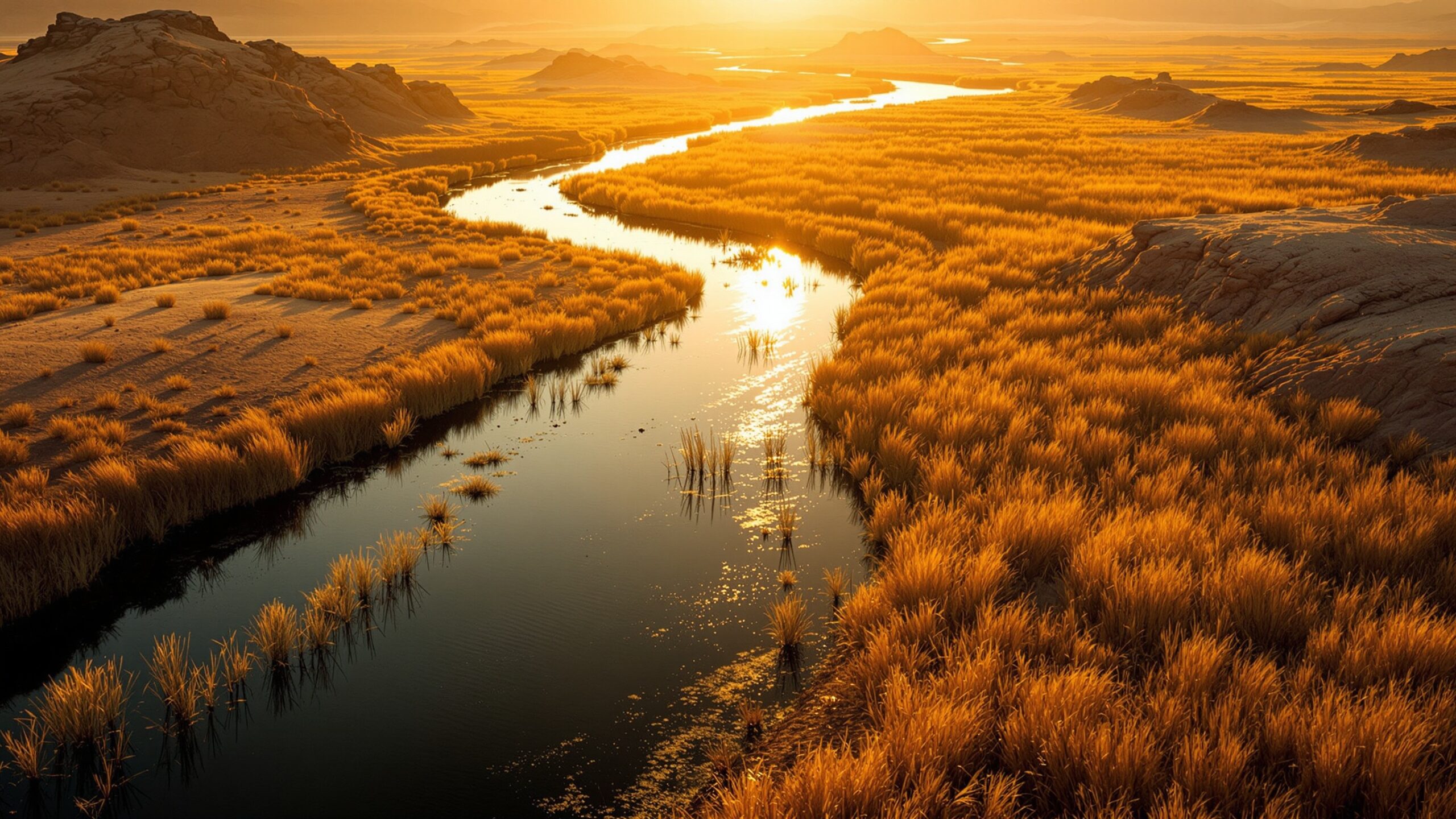
Flowing through Utah’s rugged terrain, rivers and wetlands reveal a dynamic side of the state where water shapes life, land, and legacy. Within the broader story of Utah’s changing landscapes, these vital ecosystems stand as living corridors—carving canyons, nourishing wildlife, and sustaining rare biodiversity in an otherwise arid environment. From the winding Colorado River to the delicate marshes of the Great Salt Lake, these habitats are constantly evolving under the forces of climate, geology, and human influence. Seasonal floods, shifting sediment, and conservation efforts all play a role in redefining these waterways year after year. For travelers, nature enthusiasts, and curious explorers, Utah’s rivers and wetlands offer an immersive look into how water transforms desert into thriving ecological sanctuaries. This subcategory brings together in-depth articles that uncover hidden riparian zones, bird-rich wetlands, and the science behind these ever-changing environments—making it an essential guide to understanding one of Utah’s most fascinating natural systems.
A: Some are, but currents, temperature, and flash floods require caution.
A: Spring and fall offer peak wildlife activity and migration.
A: Birds, fish, amphibians, and mammals like beavers and deer.
A: Yes, often as rare oases or seasonal water sources.
A: Some protected areas require permits—check local regulations.
A: Monitor weather and avoid narrow canyons during storms.
A: Yes, with proper licensing and adherence to regulations.
A: Water, sun protection, sturdy shoes, and navigation tools.
A: Many are conservation areas with strict environmental protections.
A: They support biodiversity, filter water, and reduce flooding.