
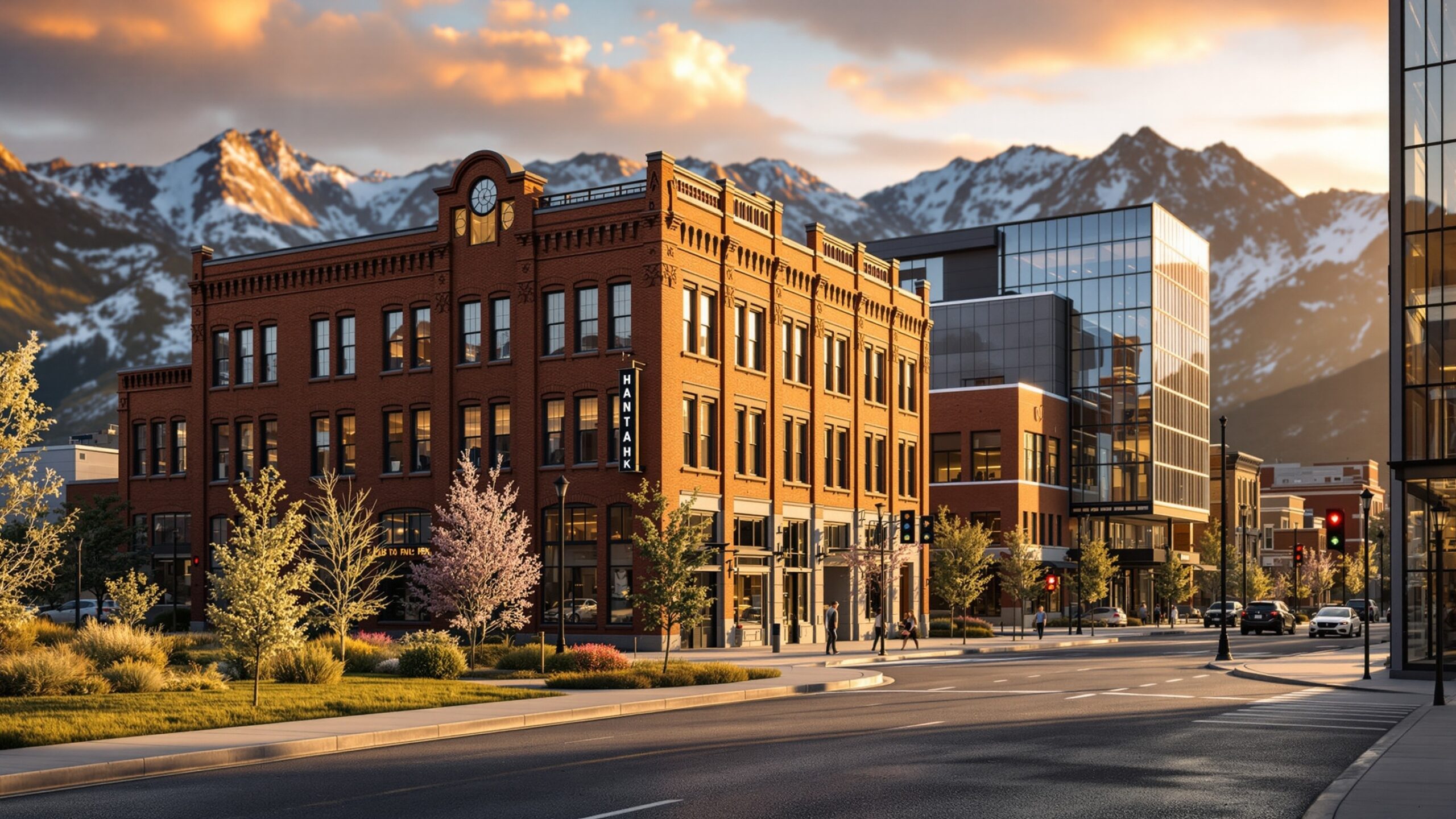
Utah’s architecture and design tell the story of a landscape where creativity, culture, and environment intersect in remarkable ways. From historic pioneer structures and iconic temple architecture to sleek modern buildings rising in vibrant city centers, the state’s built environment reflects generations of innovation and craftsmanship. Across Utah’s towns and cities, architecture is shaped by rugged mountains, desert horizons, and a strong sense of community identity, producing a unique blend of rustic heritage and contemporary design. Visitors and locals alike can explore beautifully preserved historic districts, cutting-edge public spaces, sustainable desert architecture, and inspiring civic landmarks that define the character of the region. This section of Utah Streets dives into the people, places, and ideas that shape Utah architecture and design—from visionary architects and cultural influences to landmark buildings and evolving urban spaces. Whether you’re fascinated by historic craftsmanship, modern urban planning, or the artistic details that give neighborhoods their personality, these in-depth articles reveal how architecture continues to shape Utah’s communities and cultural landscape in powerful and inspiring ways.
A: A blend of pioneer, rustic mountain, and modern desert architecture.
A: These materials reflect local natural resources and frontier traditions.
A: A style emphasizing clean lines, natural materials, and landscape integration.
A: Yes, many towns protect historic districts and heritage structures.
A: To capture views and maximize natural light.
A: Stone, adobe, rammed earth, and insulated concrete forms.
A: Through passive solar orientation, insulation, and shading.
A: Increasingly yes, with solar panels and energy-efficient construction.
A: Designs often integrate mountains, desert terrain, and natural views.
A: Salt Lake City, Park City, Moab, and historic mining towns.