
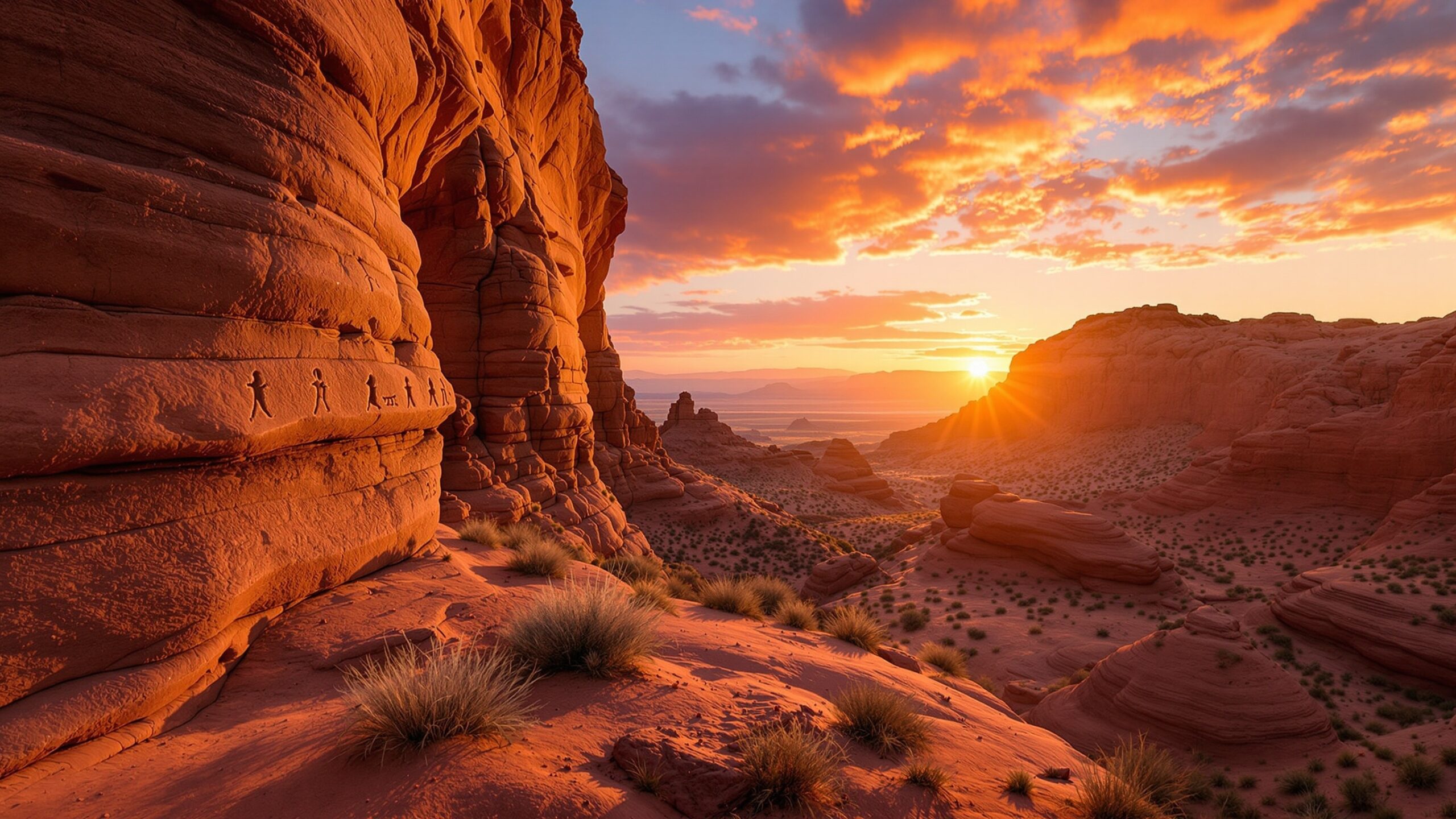
Utah’s heritage and history are woven from dramatic landscapes, resilient communities, and stories that stretch back thousands of years. From the ancient cultures that left their mark on canyon walls to the pioneering spirit that shaped towns across valleys and deserts, Utah offers a rich tapestry of traditions, milestones, and cultural evolution. This section of Utah Streets explores the people, events, and places that built the Beehive State—from Indigenous heritage and early exploration to frontier settlements, mining booms, railroad expansion, and the growth of vibrant modern cities. Along the way, you’ll discover legendary landmarks, historic districts, and the cultural traditions that continue to define Utah communities today. Each article dives deeper into the fascinating narratives behind Utah’s historic trails, architectural treasures, and influential figures who helped shape the region’s identity. Whether you’re passionate about Western history, cultural preservation, or the stories behind Utah’s iconic towns and landscapes, this collection brings the past to life while connecting it to the communities that carry its legacy forward.
A: The first large Mormon pioneer group arrived in July 1847.
A: The beehive symbolizes industry and cooperation among early settlers.
A: The Golden Spike ceremony marking the transcontinental railroad occurred at Promontory Summit in 1869.
A: Utah has five: Zion, Bryce Canyon, Arches, Canyonlands, and Capitol Reef.
A: Ancestral Puebloans and Fremont peoples lived here over 1,000 years ago.
A: Minerals accumulate because water flows in but has no outlet.
A: Yes—many discoveries have been made in eastern Utah and Dinosaur National Monument.
A: An ancient prehistoric lake that once covered much of western Utah.
A: Mining, railroads, agriculture, and trade routes were key.
A: The state offers dramatic scenery that resembles many different environments.