
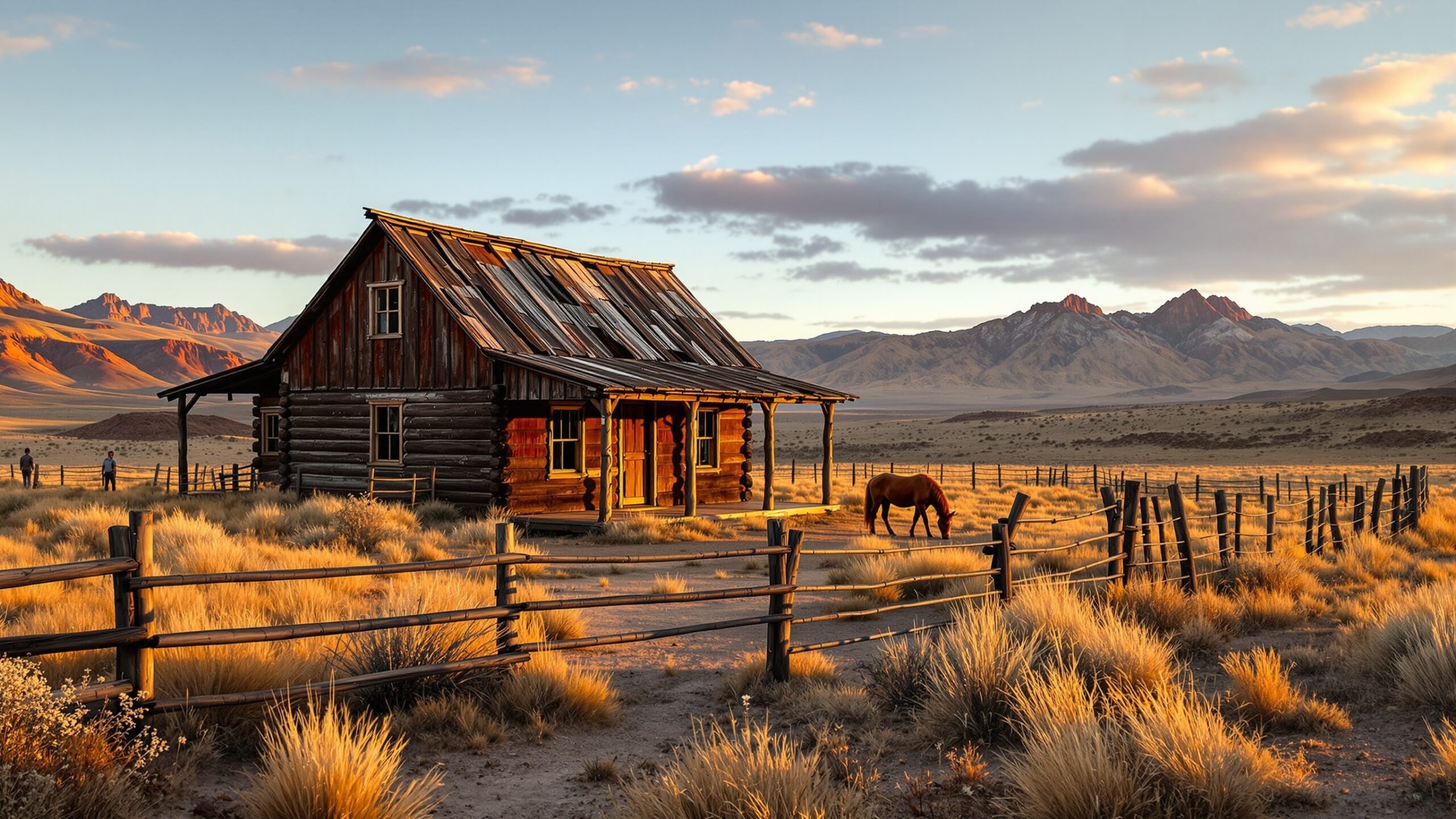
Life in Utah’s early settlements was shaped by grit, ingenuity, and an unbreakable connection to the land. The Rural and Pioneer Life subcategory explores the remarkable stories, traditions, and daily realities of the settlers, ranchers, farmers, and families who helped shape Utah’s communities from the ground up. Across rugged deserts, mountain valleys, and remote homesteads, pioneers built farms, irrigation systems, towns, and lasting cultural traditions that still influence life across the state today. This collection of in-depth articles uncovers how early settlers adapted to Utah’s harsh climate, worked together to build thriving rural communities, and passed down skills, customs, and values through generations. From historic homesteads and frontier survival techniques to ranching culture, agricultural heritage, and small-town traditions, Rural and Pioneer Life reveals the resilience and creativity that defined Utah’s early way of life. Whether exploring the legacy of pioneer families, the evolution of rural economies, or the traditions that continue in Utah’s countryside today, this section offers a fascinating window into the enduring spirit of Utah’s rural communities.
A: Many sought religious freedom, farmland, and new opportunities in the American West.
A: Wagons, handcarts, horses, and oxen were the primary ways families traveled.
A: Bread, beans, dried fruit, salted meats, and garden vegetables were common staples.
A: Wood-burning stoves and fireplaces provided warmth during cold winters.
A: Harsh weather, disease, limited supplies, and rugged terrain made survival difficult.
A: Yes, many pioneer towns built small one-room schoolhouses for local children.
A: They built irrigation systems using rivers, streams, and mountain runoff.
A: Cooperation was essential—neighbors shared labor, tools, and harvests.
A: Yes, many historic wagon tracks and trail markers remain across Utah.
A: The region became a major destination for westward settlers and a center of frontier settlement.