
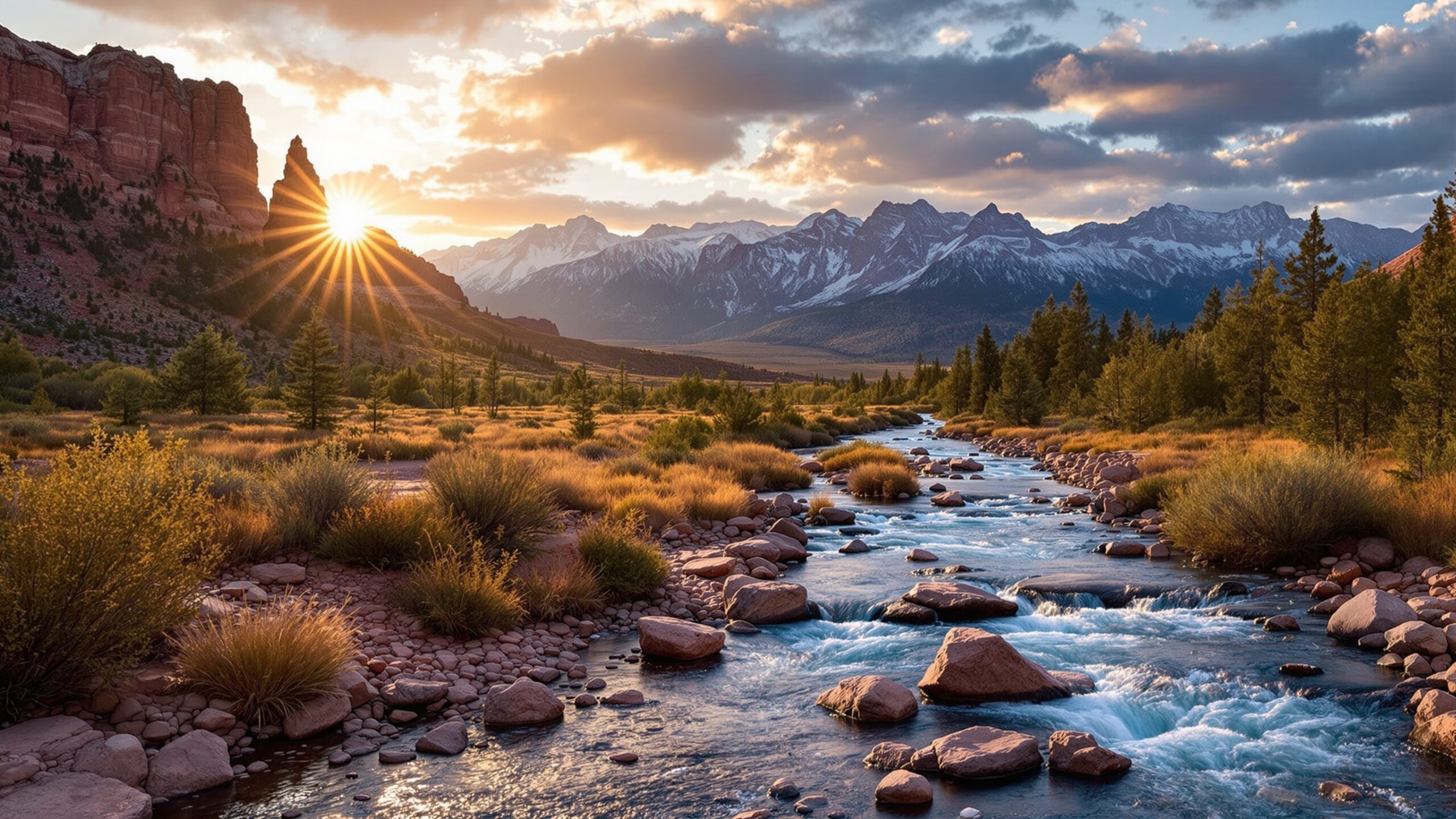
Conservation and Stewardship in Utah is more than a responsibility—it’s a living commitment to protecting the landscapes, ecosystems, and wildlife that define the state’s natural identity. From the red rock deserts of the south to the alpine forests of the Wasatch Range, Utah’s diverse environments require thoughtful care, sustainable practices, and informed action. This section of Utah Streets explores the science, strategies, and stories behind preserving these fragile habitats, highlighting conservation efforts that balance human activity with ecological integrity. You’ll discover how land management, wildlife protection, water conservation, and community stewardship initiatives all play a vital role in maintaining Utah’s natural beauty for future generations. Whether you’re interested in habitat restoration, ethical outdoor recreation, or the policies shaping environmental protection, these in-depth articles provide valuable insights and practical perspectives. Dive in to better understand how conservation in Utah works—and how stewardship starts with awareness, respect, and action.
A: At least 1 gallon per person per day in desert conditions.
A: Possible, but always inform someone and carry safety gear.
A: Spring and fall offer the most comfortable temperatures.
A: Depends on the park—many restrict pets for safety and conservation.
A: Only in designated areas or dispersed camping zones where permitted.
A: Cryptobiotic soil, wildlife, and fragile rock formations.
A: Some hikes and backcountry areas require advance permits.
A: Dehydration, heat exhaustion, and flash floods.
A: No—expect limited or no signal in remote areas.
A: Follow Leave No Trace principles at all times.