
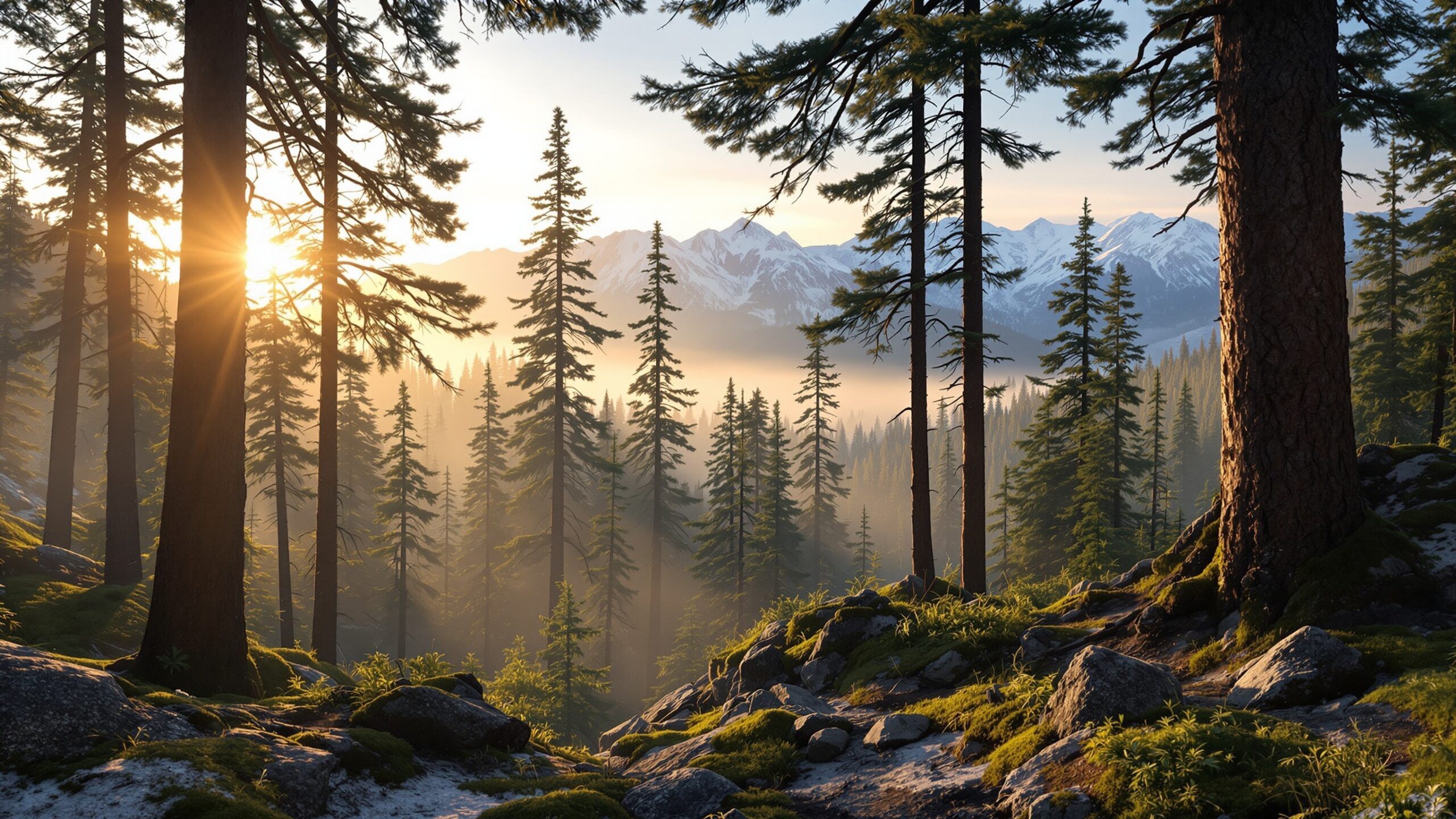
Step into the elevated world of Utah’s forests and mountain life, where alpine peaks, dense pine forests, and high-altitude ecosystems create some of the most breathtaking landscapes in the American West. This subcategory explores the rich biodiversity, rugged terrain, and seasonal transformations that define Utah’s mountain regions—from the Wasatch Range to the Uinta Mountains. Discover how towering evergreens, hidden lakes, and winding trails shape a habitat where wildlife thrives, including elk, moose, black bears, and a wide range of bird species. These forests are more than scenic escapes—they are living systems shaped by elevation, climate, and time, offering endless opportunities for hiking, wildlife observation, and outdoor adventure. Whether you’re drawn to crisp mountain air, fall foliage, or snow-covered wilderness, Utah’s forested landscapes deliver year-round beauty and exploration. Dive into in-depth articles that reveal the ecology, geography, and unforgettable experiences found within Utah’s forests and mountain life.
A: Water, snacks, sun protection, layers, and downloaded maps are the basics.
A: Often yes—high elevations can stay chilly even when valleys heat up later.
A: Dry air, elevation gain, sun exposure, and uneven terrain add up quickly.
A: Only if forecast and upstream conditions are clear—flash floods can start far away.
A: Early morning or cooler seasons usually offer the safest and most comfortable conditions.
A: Not always—many forest roads, canyons, and remote viewpoints have weak or no signal.
A: A living desert crust that stabilizes the ground and should never be stepped on.
A: Yes—many overlooks, lake paths, and canyon walks offer great views without long mileage.
A: Many areas are remote and have very little artificial light at night.
A: Respect weather, carry more water than you think you need, and turn back early when unsure.