
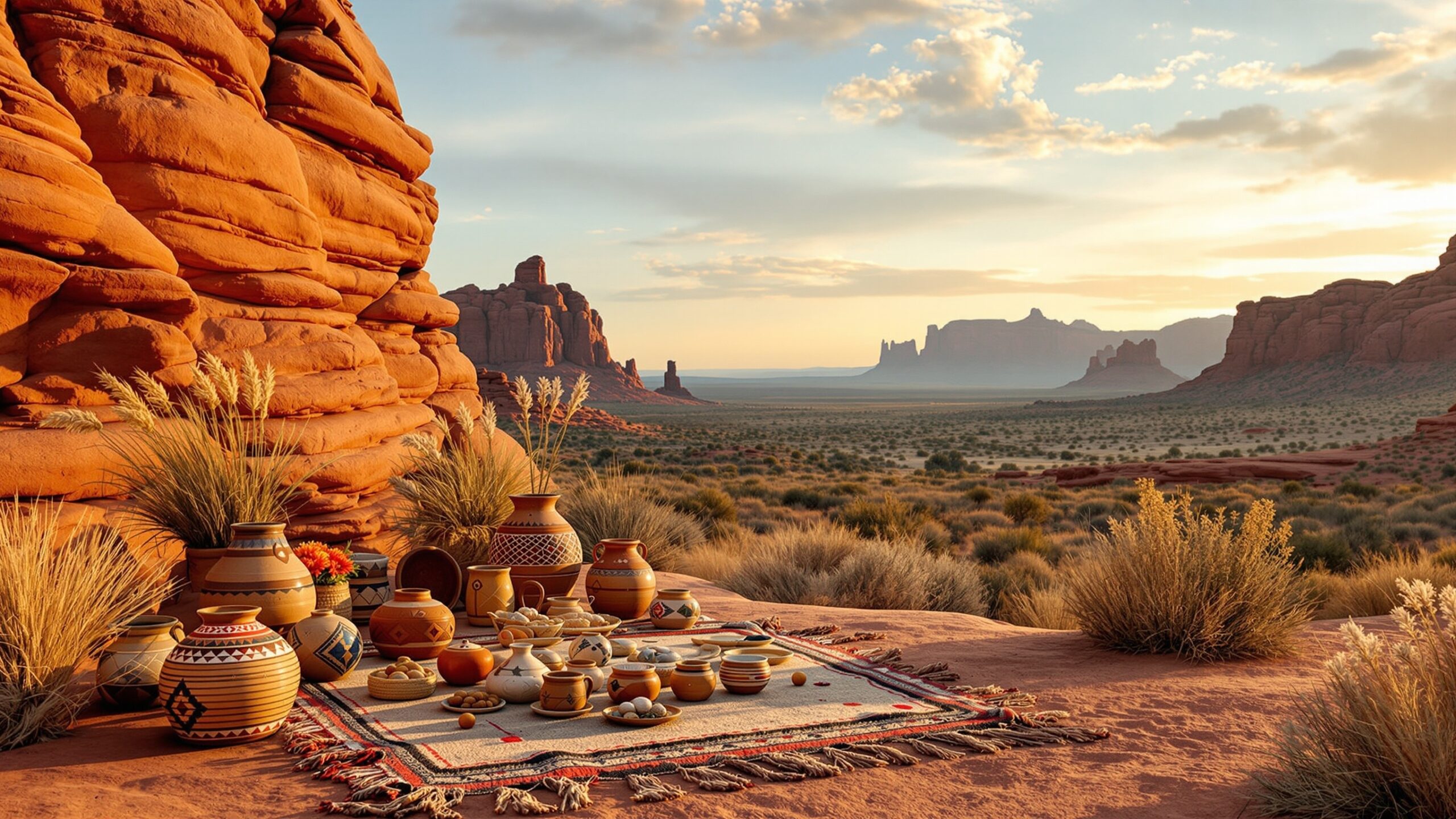
Native American culture is woven deeply into the history, landscapes, and living traditions of Utah. Long before modern cities rose among its red rock canyons and vast desert valleys, Indigenous nations such as the Ute, Navajo (Diné), Paiute, Goshute, and Shoshone shaped the region through generations of knowledge, storytelling, artistry, and spiritual connection to the land. Today, their cultural heritage remains vibrant and influential, expressed through language, traditional foods, ceremonies, craftsmanship, and community life across the state. This section of Utah Streets explores the rich traditions, historical journeys, and modern voices of Utah’s Native American communities. From ancient cliff dwellings and petroglyph sites to contemporary tribal leadership, cultural festivals, and artistic revival, these articles reveal the enduring legacy and evolving identity of Indigenous peoples in Utah. Whether you are interested in Native American history, tribal traditions, cultural preservation, or the stories of communities that continue to thrive today, you will discover meaningful insights that highlight respect, resilience, and heritage. Explore the living cultures that continue to shape Utah’s identity and deepen the understanding of its oldest and most enduring communities.
A: The Navajo Nation, Ute Indian Tribe, Paiute Indian Tribe of Utah, Goshute Tribe, and Skull Valley Band of Goshutes.
A: It derives from the Ute people and is often interpreted as “people of the mountains.”
A: Yes. Sites from the Ancestral Puebloans and other early cultures appear throughout southern Utah.
A: Images carved into rock surfaces that record stories, symbols, and historical events.
A: Many powwows welcome respectful visitors and celebrate Native culture through dance and music.
A: Yes. Many tribes work actively to preserve and teach their traditional languages.
A: They contain sacred sites, ancestral villages, and archaeological treasures.
A: Corn, beans, squash, wild plants, and game animals formed the foundation of many diets.
A: Some date back more than 2,000 years.
A: It remains a living heritage shaping Utah’s history, identity, and cultural landscape.